Thứ Sáu, 31 tháng 10, 2014

Wild Life in Halong

Wild Life in Halong: largely includes bats and a wide variety of marine creatures. Because of the tropical climate, Wild life in Halong has thrived to a large extent in Vietnam.
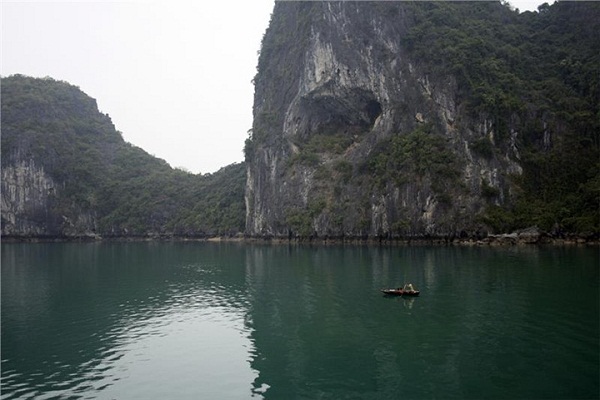
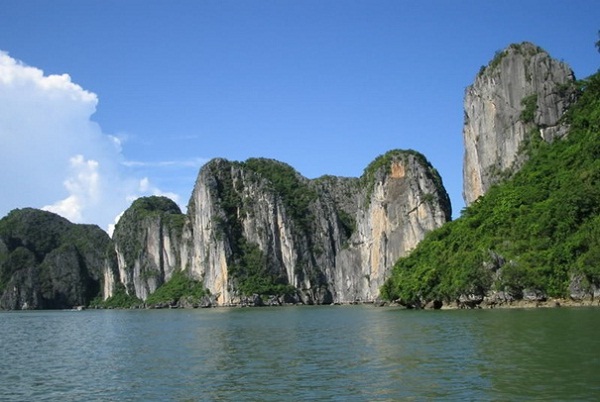
Bats are just one of countless wildlife species that inhabit the islands and caves of this ancient, World Heritage-listed site. Halong Bay tours has nearly 2000 islands, half of which remain unnamed. Most are covered by thick jungle inhabited only by monkeys and birds. 
Haa Long Bay features ecosystems of a tropical ocean region, such as: salt water-flooded forests, coral reefs and tropical rain forests. H?a Long Bay is home to 163 species of coral, from 44 lines of descent and 12 families. Coral reefs are distributed everywhere usually at a depth of 4 to 6m. The coverage rate of coral reef is 30% on average. There are areas where it attains 70 to 80%, such as at Cong Do and B? Hung. The coral forests of Ha Long Bay are a wonderful sight, with many extraordinary shapes and diversified colors.3 best places kayaking in Halong bay
Wild Life in Halong
Wild Life in Halong

The reefs are residence to a great number of species. There are primarily 107 varieties of fishes, water plants, algae and transitory animals and plants. Also living in these flooded forests are a great many species of animals. These include migrating 37 species of birds, 81 species of sea-bottom animals and fish belonging to 55 families. Fishing is the lifeblood of most Vietnamese, and features prominently in all their dishes. Read more: Halong bay map
In particular, bottom-feeders account for 61% of the total species in the whole tidal region, with many species like arcae, meretrixes and all kinds of crustaceans being of great economic value.
The tropical rain forest ecosystem also features a rich quantity of species: dinh, huong, sen, tau trees. This is the residence of various rare and precious creatures like deer, weasels, squirrels and in particular, white-tabby and red-haired monkeys

Kỹ thuật cho hươu sao ăn

- Cho ăn đúng cách: Hươu giống chủ yếu hoạt động vào ban đêm, ban đêm hươu ăn tới 60% tổng số thức ăn của khẩu phần, vì vậy mỗi lần cho ăn trong ngày không nhiều, ban ngày hươu ăn ít mà dành thời gian nhai lại thức ăn qua đêm. Đây là một đặc điểm hết sức quan trọng mà người chăn nuôi cần nắm biết. Vì vậy lịch phân bố cho hươu ăn như sau:

Bữa thứ nhất: 6-7 giờ sáng cho ăn 15% thức ăn xanh.
Bữa thứ hai: 9-10giờ sáng cho ăn 15% thức ăn xanh.
Bữa thứ ba: 13-14 giờ chiều cho ăn 10% thức ăn xanh cộng với thức ăn tinh trong ngày.
Bữa thứ tư: 17 - 18giờ tối cho ăn 30% thức ăn xanh.
Bữa thứ năm: 22 giờ tối cho ăn 30% thức ăn xanh.

- Thức ăn tinh không được cho hươu ăn vào buổi sang vì ăn như vậy sẽ làm cho hươu ăn ít thức ăn xanh và thức ăn củ quả. Nên cho hươu ăn thức ăn tinh vào bữa ăn thứ ba vào lúc 13 – 14 giờ trong ngày. Hàng ngày người chăn nuôi phải thường xuyên theo dõi phân của hươu để điều chỉnh thức ăn cho hợp lý. Thường phân của hươu có dạng viên bóng, cứng hình bầu dục nếu khác với bình thường thì cần xem xét lại thức ăn cho hươu.
  Vận động – Tắm nắng – tắm chải.
Cho hươu ăn nhiều loại thức ăn xanh, đặc tính của chúng là thích ăn nhiều loại cỏ non, lá non và các loại cây có mủ. Không nên cho hươu ăn độc nhất một loại thức ăn thì sinh trưởng và phát triển, khả năng sản xuất cho nhung huou tuoi sẽ bị hạn chế.

 
Kỹ thuật cho hươu sao ăn
a). Vận động: Tuỳ thuộc vào hình thức nuôi khác nhau nên cho hươu vận động khác nhau. Hươu là động vật con mang tính hoang dã nên rất thích vận động, chạy, nhảy rất hiếu động nên khi bị bó hẹp trong nuôi nhốt thì rất khó chịu. Chúng ta nên tạo diện tích sân chơi cho hươu bằng cách khoanh vùng rộng bằng rào chắn cao 2 – 2.5m thì khả năng vận động và tắm nắng cuả hươu thịt được tốt hơn và thích nghi với điều kiện sinh lý của nó hơn, ít gây ra các hiện tượng ức chế(stree) con vật thoải mái hơn, góp phần tiêu hoá, trao đổi chất được tốt hơn.

Nếu không có điều kiện thì cần phải thiết kế mái che có lắp tấm kính có độ rộng 40X50cm cho nắng rọi vào 1giờ/ngày. Có thể thiết kế chồng cho nắng xuyên vào chuồng 7-8 giờ/ngày.

b). Tắm chải. Thứ tự tắm chải từ đầu đến mông, từ trên xuống dưới, mỗi lần chỉ cần 5- 10 phút. Trước khi tám chải phải tập làm quen với con vật để tạo cho nó có phản xạ có điều kiện. Trong quá trình tắm chải chú ý phát hiện một số ký sinh trùng nư ve, ghẽ, lỡ, loét…Nếu có hãy dùng các biện pháp sau đối với ve, ghẽ…

Bắt diệt liên tục bằng cơ học.

Dùng Ivermactin điều trị nội ngoại ký sinh trùng để tiêm 1ml/7kg trọng lượng.

Dùng các thuốc sát trùng ngoài da và khử trùng chuồng trại. Định kỳ dọn vệ sinh chuồng trại.

Sau đây chúng ta hãy tìm hiểu cụ thể cách nuôi dưỡng mỗi loại hươu.

Halong Bay swimming activities

Halong Bay is a ideal travel destination - a World Heritage Site, with thousands of limestone islands and caves. There are countless places to stop for swimming, fishing, snorkeling and kayaking when cursing around islands. There are many charming and attractive beaches; it is suitable for swimming activities such as Tra Gioi Beach, Ba Cua Beach, Tuan Chau Beach, Titov Beach, Minh Chau Beach. Visit halong bay cruise
Halong Bay swimming activities
The stunning scenery of sheer mountain cliffs rising out of the bay makes an ideal backdrop to water-based activities.The water of beach is emerald green and turquoise color so you cannot see the bottom. Halong Bay is the safe place for swimming. Because beach is calm waters and tourists will be provided useful equipment such as: life jackets. Moreover the sailors and staff of the ship watched while you were swimming to alert you for dangers in case. Swimming in Halong bay is really nice and refreshing. visit halong long: 3 best places kayaking in Halong bay
 Swimming Safe guides:

- Check with the lifeguard on surf conditions before swimming. If lifeguards give you directions or instructions from the stand, obey them. Never swim alone - use the buddy system. 

- Don't overestimate your swimming ability, especially early in the summer when the water is cold. Swimming ability is severely decreased in cold water.

- Judge your ability to participate in beach activities based on your swimming skills without the assistance of rafts and other flotation devices.

- Never dive into shallow water, or water of unknown depth.

- If you are confronted by a large wave and there is not enough time to get away from it, try to dive underneath the wave. Keep your body as low as possible until the wave passes over you. Timing is important, dive into the base of the wave just before it breaks. Do not dive if the water is too shallow - instead crouch and keep a low body profile. travel to Vietnam

- If caught in rip currents, relax and swim toward the shore at a 45-degree angle until you are free of the current. If the rip currents are strong, swim parallel with the shoreline in the same direction as the littoral current and then swim diagonally toward the shore. If you are not able to swim out of the currents, call or wave for help.

- When body surfing, do not ride waves in a straight line toward shore. Instead, surf at an angle to the waves. Stay away from the white water in the wave center to avoid going "over the falls."

- Never swim while intoxicated. Alcohol impairs judgment, unnecessary risks are taken and a swimmer will tire more easily, increasing the chance of an accident.

Thứ Tư, 22 tháng 10, 2014

Eco Tours Halong bay Where to go and What to do?

Halong Tours Booking introduces some eco-friendly activities in Halong bay - Catba area and a piece of knowlegde about Eco tourism. "responsible travel to natural areas that conserves the environment and improves the well-being of local people."

1. Some eco tour products and activities in and around Halong bay:

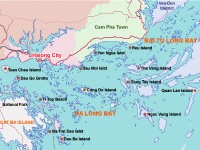
Cycling tours: tour with main transportation is bicycle; You can join this activity in Cat Ba Island. In stead of taking a bus or car, you can contact us for a bike and ride to Halong bay. It is 170 km far and takes 7 hours in biking. Read more Halong bay map
Halong bay map
Halong bay map

Homestay tours: Come to visit and stay with the local people; the homestay can be in Cat Ba island, in some fishing villages on Halong bay. with this tour you  can work on the farm with the real farmer or being a fisherman with local people on the bay. Homestay can be on the way from Hanoi to Halong bay. It is Dong Trieu Potery village. This place is suitable if you get to Halong bay from Hanoi by Bike.

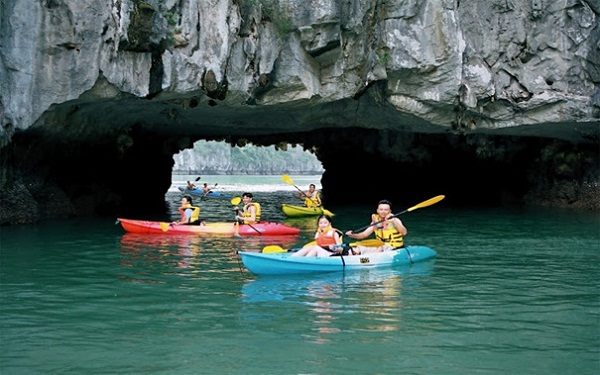
Kayaking and rafting tour: tours with main activity is kayaking or rafting. Almost of overnight Halong tours with Cruise will offer this activity; Example: Alova Gold Cruise Halong tour 3 days 2 nights offers 1 full day to kayaking; This kayking day is to discover Halong bay in a quite area with main activities is kayaking and swimming. biking_in_catba

Charity tours: tour with the main purpose is help the local community or the disadvantaged people. The children who live on the floating villages on Halong bay need your help/ assistance of food, clothes, book, medicine...They have no money and bad traffic condition to join the shool. Please come to help them.

National park tours: Tours with the main destination is the national parks or natural reserves. In Halong bay area, we have 2 National Parks: Bai Tu Long National Park and Cat Ba National Park. You can book tour with Halongtoursbooking.com to join both those National Park to discover the natural heritage - Halong bay

Trekking tours: tour to the remote area with main activity is trekking or hiking; Trekking activities is very popular choice when you take a tour to Cat ba National Park.

Rock climbing tours: tour to the mountainous area and main activities is climbing. In Halong bay, you can take this tour for 3 days 2 nights - overnight in Cat Ba.
Example Itinerary can be:
Cat Ba Rock climbing in Monkey Island
Morning: Rock climbing
8:30am – 9:00am: Coastline ride into the small farming village of Lien Minh
9:00am – 9:30am: Basic instruction and introduction to Rock Climbing
9:30am – 12:30pm: Guided Rock Climbing in Butterfly Valley
12:30pm – 1:30pm: Delicious lunch on a bee farm with fresh local foods
1:30pm – 2:00pm: Return to Cat Ba TownChildren_on_Halong_bay

Community education tours: tourist and tour guides will conduct a short training for the local people about personal hygiene or language.

Camping tours: happened on the beach or in the Cat Ba national park; The camping can be on the deserted beach with double tent or at ready-set-up basecamp (also on beach) with bamboo hut depending on the weather condition and availability. Camping sites can be on Viet Hai Fishing Village or other suitable beaches around Cat Ba Island area. The crew (some people) from support boat will cook our dinner and make sure we have a comfortable night, dinner and overnight at the campsite.

2. What is Ecotourism?
The Definition
Ecotourism is defined as "responsible travel to natural areas that conserves the environment and improves the well-being of local people." (TIES, 1990).
Conservation
Offering market-linked long-term solutions, ecotourism provides effective economic incentives for conserving and enhancing bio-cultural diversity and helps protect the natural and cultural heritage of our beautiful planet.

Communities
By increasing local capacity building and employment opportunities, ecotourism is an effective vehicle for empowering local communities around the world to fight against poverty and to achieve sustainable development.wwf_logo

Interpretation
With an emphasis on enriching personal experiences and environmental awareness through interpretation, ecotourism promotes greater understanding and appreciation for nature, local society, and culture.

Principles of Ecotourism
Ecotourism is about uniting conservation, communities, and sustainable travel. This means that those who implement and participate in ecotourism activities should follow the following ecotourism principles:
Minimize impact.
Build environmental and cultural awareness and respect.
Provide positive experiences for both visitors and hosts.
Provide direct financial benefits for conservation.
Provide financial benefits and empowerment for local people.
Raise sensitivity to host countries' political, environmental, and social climate.
Thứ Tư, 15 tháng 10, 2014

Halong Bay Squid Fishing

Squid fishing on Halong Bay at night is an interesting activity at which tourists can experience the feeling of being a fisherman. Tourists will have the instruction from local fishermen about how to fish a squid in the sea.
Night Squid fishing is the most interesting activity and wonderful pleasure of the night journey on Halong Bay cruise. Tourists are provided with fishing rods and racquets so that they can actively use them to catch squids. Tourists must be excited to clearly see light-drunken shoals of squids lazily hovering around; and, step by step each squid is enticed and picked up, remaining totally fresh and striving convulsively. Especially, during the squid season, it would be common to see large shoals of squids surrounding the cruiser and each tourist may catch an average of 30 squids for each squid fishing night.


The squids caught will be used to make dishes for tourists. This is also an ideal time to gaze Halong bay by night. The sea water surface is sparkling with reflected light from cruises anchored on the bay. Foreign tourists are extremely fond of boiled whole squids because when eating, they can enjoy the interesting feeling of ink line breaking out pitch-black in the mouth, splashing all over the face and taking pictures. The tourists eat while singing Karaoke and dancing. In alcohol yeast, everyone becomes enthusiasm and excited singers and dancers.

Thứ Năm, 9 tháng 10, 2014

Halong Weather

Halong weather is typical for tropical coastal climate, which has two main seasons all year around. From April to September, it is often hot and humid; from October to March the weather is dry with some cold months.
The average temperature of Halong Bay tours is 23.7 degree Celsius. In the summer, the average temperature is 34.9oC while the maximum temperature recorded is 38oC. The heat may be reduced thanks to its location amid the mountains and grottos. On the other hand, during winter, it might get as low as 13.7oC on the average, and the lowest could be as low as 5oC. Some may find it hard to travel in January when the weather can be biting cold. Read more: V'spirit cruise
The city has a relatively high average annual rainfall of 1,832mm, which is unevenly distributed depending on the two main seasons. During the rain season, and also summer, from May to end of August, the rainfall amounts for 80-85% of the total rainfall of the year, with the maximum of 350mm in July and August. Winter, and also dry season (from November to April of the next year) witnesses little raining of around 15-20% of the total rainfall, with the minimum amount varying in between 4 and 40mm during December and January.
Halong Weather
Halong Weather

Halong is one of the most humid cities in Vietnam with the average annual humidity at 84%, which fluctuate from a minimum of 68% to a maximum of 90% in a year. Travel Vietnam
Due to the unique geological and topographic characteristic, Halong has two kinds of monsoon, which are Northeast monsoon in the winter, and Southwest monsoon in the summer. The average wind speed is 2.8m/s, and Southwest monsoon is the strongest one with its speed reaches 45m/s.
Thanks to the nature of a closed-sea area, Halong is lucky not to be much affected by heavy storms. The strongest storms on the bay normally are at level 9 and 10, hardly anytime reaching level 11.