Thứ Tư, 26 tháng 11, 2014

Phu Quoc Island

Phu Quoc is the largest island of Vietnam. The island is part of Kien Giang province. The district of Phu Quoc includes the island proper and 21 smaller islets.  Moreover, it is also the largest town on this island, whose total area is 574 km².

Situated in the Gulf of Thailand 45 km west of Ha Tien on the Vietnamese mainland and 15 km south of the coast of Cambodia, Phu Quoc is ringed with some of most beautiful beaches in Vietnam, and offers the best seafood in the country. Phu Quoc island and its beaches was voted to be "The Most Cleanest and Beautiful Beach of World" by ABC News as from the end of February, 2008. Bai Sao is located on a private gulf so that there is always small rippling emerging on the coast. Sand has a spotlessly white color and sea is pure as crystal. This is one of seaside resort still reserves its natural beauty. Tourists are free to enjoy sea and go fishing. After that, restaurant will prepare a hearty, harmonious meal from fishes that customers have caught.

Mekong & Phu Quoc island (5 days, 4 nights)

Duong Dong town is known by its dried seafood and native dogs. They are wild animal but have been trained as hunting dogs by local people. Incredible ability in catching fishes or snakes makes this type of dog become well-known in the world. You should take a chance to participate a night fishing- squid journey. It is one of the most attractive activities here. Phu Quoc, however, home to the best fish sauce (nuoc mam), fermented fish sauce in the world, also reputedly known to produce high quality pepper.  Pepper cultivation is located inland in the center of the island. It brings a specific aroma, hot, strong taste that is deeper than other places. Phu Quoc has a monumentally impressive pearl reservation. Local people established separately a village to rear as well as collect pearls.
With a poetic scenery, fresh air and uncommonly special seafood, Phu Quoc not only is a peaceful convalescence paradise but also satisfied almost fastidious tourists with its produce.
Phu Quoc Island
Phu Quoc Island 

One of the typical specialties in Phu Quoc Island is herring salad which is a nutritious dish. It is not very difficult for fishermen to catch this kind of fish as herrings are abundant in Phu Quoc Sea. The dish is processed quite simply. After being scaled, cleaned and sliced, herrings are mixed with the lemon juice, sliced chilies and onions to clean all fishy smell and keep raw meat color. The dish is served with vegetable, coconuts and girdle cakes. Herring salad is more delicious when being dipped with the fish sauce made of chili, garlic and fried peanuts. Phu Quoc fish sauce is well known nationwide for its flavor and quality, which much enhances the good taste of the dish.

Herring salad rich in protein is a favorite dish for locals and tourists alike.

Thứ Ba, 18 tháng 11, 2014

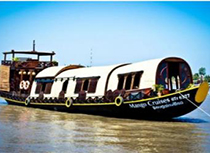
Top 5 river cruises in Vietnam

Vietnam is a country of immense natural beauty and contrasting cultures. For those wanting to experience the real Vietnam and see Vietnamese daily life outside of the cities, a river cruise offers a pleasant sight seeing alternative. Whether it’s a luxurious cruise through the Mekong Delta, a foodie cruise on the Saigon River or a more peaceful journey meandering through one of the provinces, Vietnam’s rivers offer travellers a different cultural perspective and the chance for quiet contemplation.

Here are our top five river cruises in Vietnam.

Vietnam’s Mekong River
Huong River
Vietnam’s “Perfume River”, Huong River leads silently, gently, to Hue City, the capital of the Thua Thien-Hue province on the central coast of Vietnam. Travel the 22-kilometre river in a traditional dragon boat to see Vietnamese houses, gardens, pagodas and mausoleums. Along the way, visit Thien Mu Pagoda, Hon Chen Temple, Tu Duc Tomb, Minh Mang Tomb and Khai Dinh Tomb. Book a night cruise and enjoy dinner and live local Vietnamese music on board.
Top 5 river cruises in Vietnam

Ngo Dong River
A river with a different view, the 100-kilometre long Ngo Dong River in Vietnam’s Hoa Lu District, boasts three magnificent limestone caves. The first cave, Hang Ca, known as “the fish cave” is 127 metres in length, offering challenging climbing opportunities as well as hidden lagoons, accessible only by boat. As you emerge from the third cave, purchase a refreshing drink and a souvenir from a local seller in a sampan.

My Tho
Just two hours from Ho Chi Minh City, in the Mekong Delta in Thien Giang province sits the ancient port of My Tho. The traditional gateway to the Mekong Delta, My Tho’s bustling waterfront is a fascinating insight into the region’s rich agricultural industry. As you cruise by My Tho you’ll see lush green rice fields and orchards. Take a smaller boat to Phoenix Island, Thoi Son Island and be sure to visit My Tho’s most popular attractions, Vinh Trang Pagoda and Dong Tan Snake Farm.

Vinh Long – Cai Be
Vietnam’s “Majestic Dragon”, Vinh Long is located between two arms of the grand Mekong, the Tien and Hau Rivers. Stop here on your way to Sa Dec to find one of the busiest floating markets in Vietnam, Cai Be, with its hundreds of hawkers in sampans, selling fresh produce, grown locally. Surrounded by silt-rich soil, the area features abundant rice fields orchards that can be seen via the smaller arroyos, or man-made canals. The local people’s daily lives here are built around the water and houses on stilts line the banks of the river.

Hau River
Vietnam’s Hau River is one of the great Mekong Delta’s tributaries. Experience the sights and sounds of Cai Rang, one of the largest and prettiest floating markets in Vietnam, which features sellers in sampans who offer fresh seasonal produce, agricultural goods and breakfast. The best of this river is to be discovered at sunrise. To get there, you’ll cruise just five kilometres from Ninh Kieu Quay in Can Tho.

Thứ Tư, 5 tháng 11, 2014

Tips for Visiting the Mekong Delta

The Mekong Delta tours region is the commercial and agricultural lifeblood of Vietnam, and if you want to see a more rural counterpart to the frenetic pace of nearby Ho Chi Minh City, you should definitely plan to visit the Mekong region during your time in Vietnam.

In general, the cheapest and easiest way to explore the region is on an organized tour of the Mekong Delta. Many depart from Ho Chi Minh City with itineraries ranging from two to four days. From your longtail boat, you’ll get the change to visit local villages, shop for fresh produce from markets right on the river and sample some of the cuisine endemic to the region.
Tips for Visiting the Mekong Delta

If you’d rather get away from the beaten tourist track, hire a car, bicycle or motorbike to explore the back country roads at your own pace. Keep in mind that locals in this area won’t speak nearly as much English as they do in Ho Chi Minh City or Vietnam’s other tourist-frequented cities.

Most visitors who come to the Mekong River Delta region stop in Can Tho — the area’s largest city — to see the floating markets. If you’re looking for a beach getaway, continue on to the island of Phu Quoc, where you can rent a budget-friendly bungalow a few meters from a white sand beach.

Whether you choose to visit the region on your own or through an organized tour, here are a few tips for visiting the Mekong Delta:

Don’t go swimming in the river. It’s not very clean and it’s possible to pick up parasites.
Plan ahead. There are a lot of options, and you’ll safe yourself time and money by knowing where you want to go ahead of time.
The dry season, from November to January, is the best time to visit the Mekong Delta.
Pack lightly, and wear clothes that are breathable and dry easily to combat the heat and humidity.